



AI is getting rapidly adopted by Fortune 500 companies and law firms… but what about the millions of small businesses that keep the world running, like your local doctor, plumber, or auto-mechanic?
It turns out, small businesses are more eager to adopt AI than you might think. In fact, hundreds of businesses across the US are now already partly running themselves using AI - including managing paperwork, updating their systems, and soon, interacting and transacting with customers - thanks to Lassie.
Lassie is building the autonomous systems that take care of all the busywork behind running a small business - so that owners can finally focus on what they do best (their craft) and get their time back.
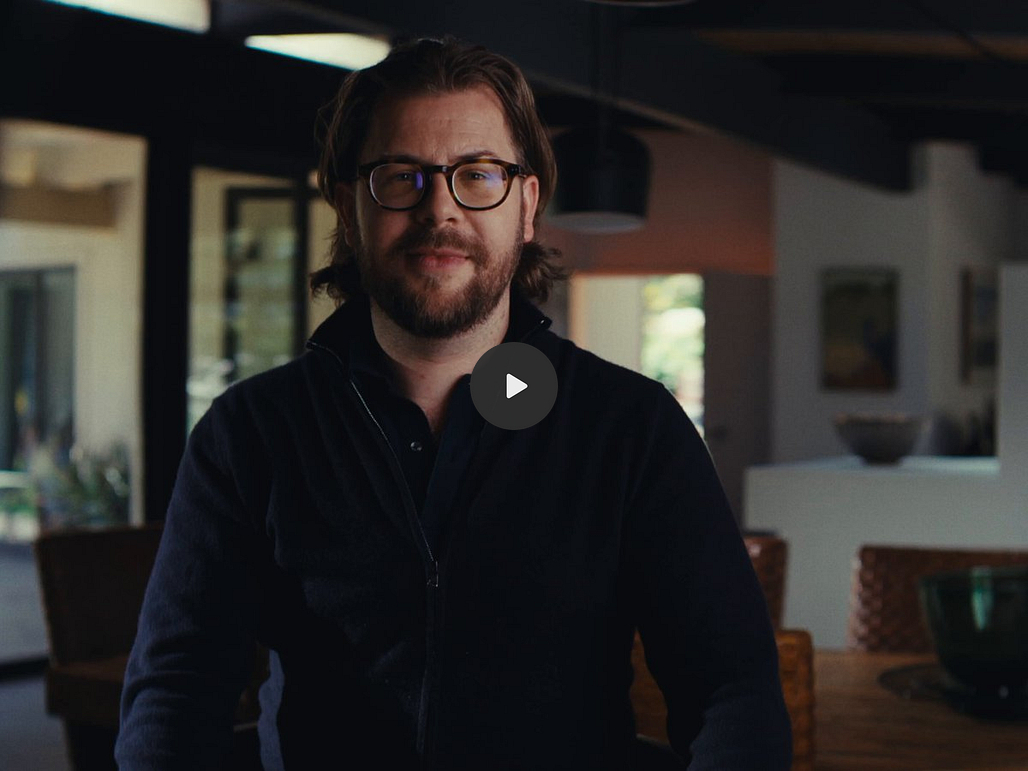
Since founding the company a few years ago, Steijn Pelle has scaled Lassie to 800+ small businesses across 49 states, starting with doctors’ offices. A few months ago, he raised a $35M Series A led by a16z, bringing the company’s total funding to $47M. Now, he’s on a mission to scale Lassie - and create a future world where every small business runs itself, using AI.

The founding story
Before founding Lassie, Steijn was one of the first product managers at both Robinhood and Coinbase - and always had a passion for solving hard problems with technology.
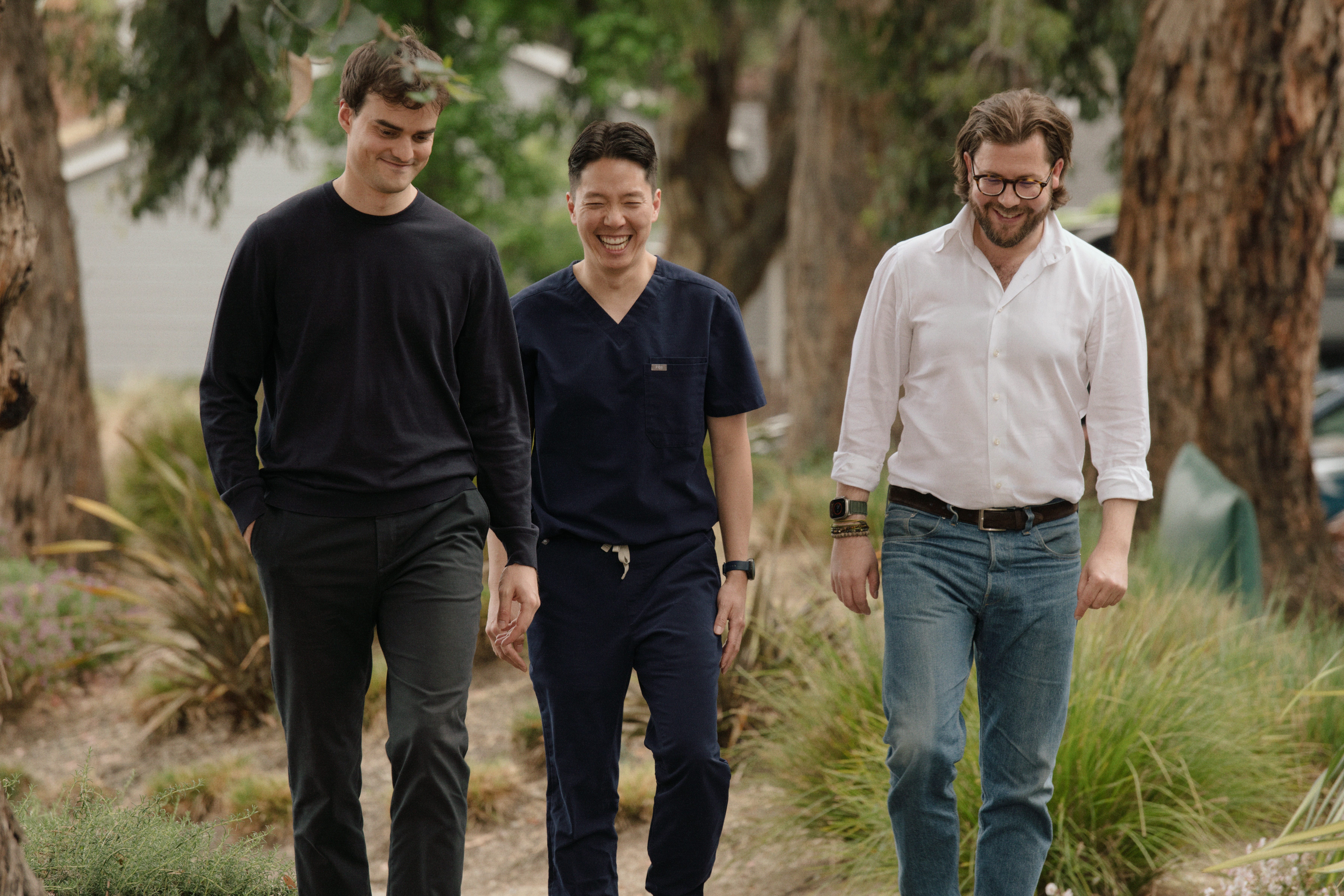
The idea for Lassie came out of a conversation he had with his own doctor, Dr. Kwon, in Menlo Park, CA. Dr. Kwon shared with Steijn that the most challenging part of running his own business wasn’t the craft - it was the 200+ hours per month that he and his team spent on paperwork.
All the tedious, manual, detail-oriented work that they struggled to find staff members to do, and that Dr. Kwon was forced to do himself after-hours - like managing insurance payments, catching underpaid claims, appealing denials, and going back and forth with patients on bills and appointments.
Steijn could sense that there was a huge business opportunity here. Millions of small businesses each spend tens (if not hundreds) of thousands of dollars per year on the kind of busywork that Dr. Kwon was describing.
Steijn also knew it could take years of unglamorous work to fully understand the busywork required to run small businesses - let alone, build a solution that would autonomously run it for business owners in a way that complied with a complex, manual, and highly-regulated industry.
Most founders would have looked right past this space (what Paul Graham calls, “schlep blindness”) or given up. But for that rare founder with the patience and grit to figure things out from first principles - the reward would be enormous.
This was an opportunity to capture an underserved market that was desperate for a solution to automate the thousands of uninteresting, overlooked tasks that bottleneck small businesses every single day, on a recurring basis.
“AI that autonomously runs small businesses” is what Lassie’s new board member Alex Rampell would call a “Goldilocks zone” - a market that’s not the main priority for frontier AI labs to own themselves, and too messy for a generic model to serve, but big enough to matter.
Maybe it was the competitive runner in him - or that he had seen enough close friends train for years and compete in the Olympics - but Steijn wasn’t afraid of playing the long game. In fact, it was exactly the challenge he had been looking for.
Bringing Lassie to life
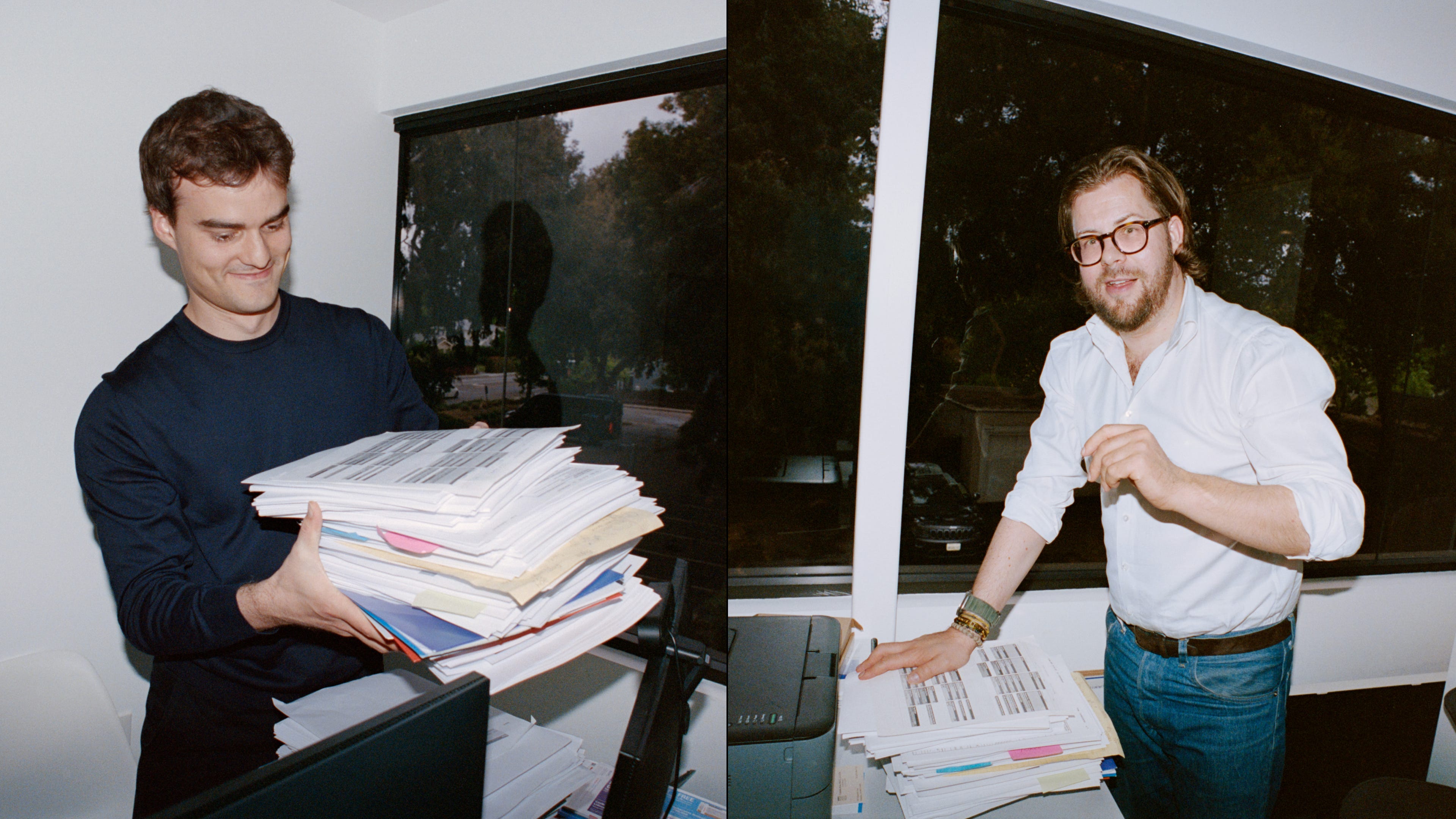
You have to learn how to walk before you can run. For Steijn and his team, that meant - you have to learn how to run a small business yourself, before you can train AI to do it for you. So, Steijn and his team signed up to take on all the paperwork for two different doctors’ offices - Dr. Kwon’s in Menlo Park, and a gastroenterologist’s in Scranton. And they didn’t just do this for a few days, then quit - they did this manual work for a year.
To give an example day in the life, Steijn would comb through hundreds of payments from an insurance portal, enter them into the practice management system one by one, print a forty-page list of patients who needed a bill, and finish the day checking everyone’s balances and generating statements. Steijn smiles while thinking about those days: “I felt like Jim Halpert from The Office!”
After he and his team figured out the jobs to be done, they started training autonomous systems to do the work for them. Given that they were operating in such a hands-on, heavily-regulated space, handling sensitive financial and personal health information (PHI) - there was no room for error. Lassie didn’t just have to be good, it had to be correct. It took several more years for the product to be ready to scale.
One of the things that had impressed Steijn most at Robinhood was how relentlessly the team worked to seamlessly onboard new users - with little to no manual account approval. Similarly at Superhuman, where his co-founder Frédéric Renken was the first product hire, the team had obsessed over removing friction at the critical moment when people first touch the product.
To learn how to sell and deploy AI at scale, Steijn and his team started by taking the non-scalable approach: first, doing it all in-person. They spent more than a year traveling around the country to visit small business owners, sit with them at their computers, and personally install Lassie onto their systems. Through this, Steijn and his team built a winning playbook for codifying the sale and productizing the implementation of Lassie at scale. Along the way, they also converted their first 100 earliest adopters into some of the biggest champions for the company.
Dr. Kwon is one of those proud early adopters of Lassie - now able to see almost twice as many patients and still make it home in time for dinner with his family. Many customers like him are clinking champagne to celebrate the time Lassie is saving them. Someone recently told Steijn that Lassie “saved his marriage.”
Building the culture and team that scales
A lot has changed since Steijn’s earliest days of building Lassie, but some things haven’t. His approach to operating at the lowest level of detail first, doing things with rigor of thought, and valuing the craft of building something wonderful - is clearly deeply rooted into the company’s culture.
The team is all in. 15 people, in-person in San Francisco, sprinting to make Lassie the AI company that makes entrepreneurship easier for all small businesses. In their first 90 days at the company, every new team member spends time working in a few real small businesses, just like Steijn and Frédéric once did - so they know what it’s like to schlep (err, step) in small business owners’ shoes.
When asked about the most important team values at Lassie, Steijn is quick to answer - the Lassie team doesn’t ship junk, likes rigor of thought, and cares about direct communication.
Steijn is planning to triple the Lassie team in the next year - and he’s about to open a brand-new office in Jackson Square, complete with an open kitchen, beautiful Scandinavian-style co-working spaces, and an in-house chef who previously worked for the Collison brothers.

Ultimately, Steijn is in this for the long haul - a marathon of sprints, if you will - and he’s looking for people who are just as persistent and passionate about solving hard problems. If that sounds like you, come build Lassie with him.
Open Roles
Lassie is hiring across the board. A few open roles that stand out:
Deployment Strategist - Be on the frontlines of getting AI deployed to small businesses. And with that build the playbooks for implementation, account management, and maintain the bar for turning customers into fans. Together with the people that did this for Superhuman and Robinhood.
Head of Marketing - Build Lassie’s growth marketing engine that helps to make millions of small business owners aware that AI can now help them run their business.
Product Engineer - Build the products small businesses use every day to get work done without adding more work to manage.
Head of Finance - As Lassie’s first finance hire, you’ll build the AI-native financial operations from scratch alongside CEO Steijn Pelle and advisor Jason Warnick (former CFO, Robinhood) - owning everything from monthly close, strategic finance projects like pricing, and building the operating model, to supporting future fundraises.
Founding Recruiter - Help recruit a world-class team that can bring AI to millions of small businesses across the world.
This newsletter is provided for informational purposes only, and should not be relied upon as legal, business, investment, or tax advice. Furthermore, this content is not investment advice, nor is it intended for use by any investors or prospective investors in any a16z funds. This newsletter may link to other websites or contain other information obtained from third-party sources - a16z has not independently verified nor makes any representations about the current or enduring accuracy of such information. If this content includes third-party advertisements, a16z has not reviewed such advertisements and does not endorse any advertising content or related companies contained therein. Any investments or portfolio companies mentioned, referred to, or described are not representative of all investments in vehicles managed by a16z; visit https://a16z.com/investment-list/ for a full list of investments. Other important information can be found at a16z.com/disclosures. You’re receiving this newsletter since you opted in earlier; if you would like to opt out of future newsletters you may unsubscribe immediately.
What strikes me is the trust gap this has to cross. A Fortune 500 company has an IT department to vet AI tools; a two-person plumbing outfit has the owner's gut feeling and maybe a nephew who's good with computers. Did Steijn mention how Lassie built credibility with owners who've probably been burned by software sold as 'set it and forget it' before? That's usually the harder sale than the tech itself.